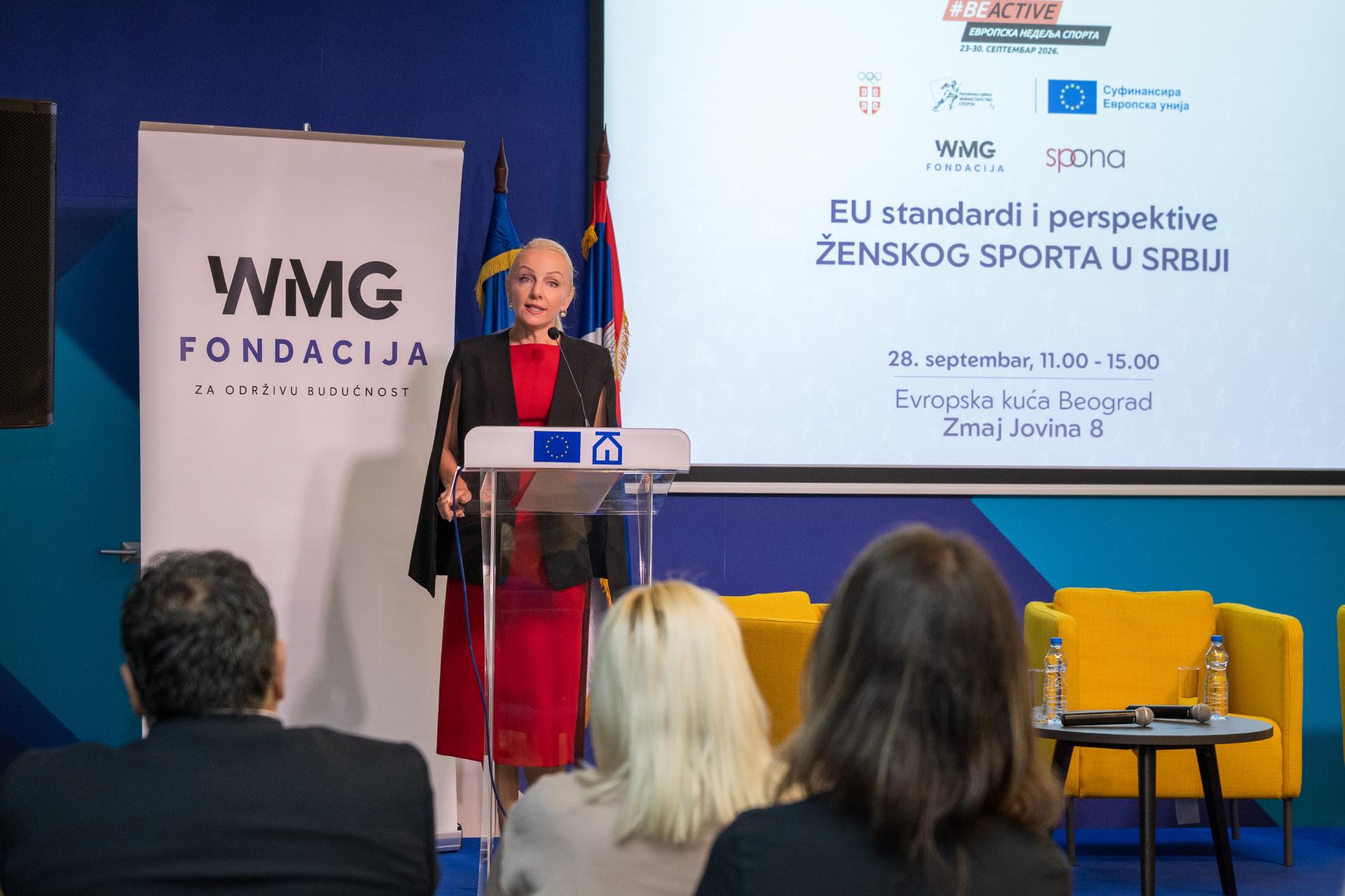
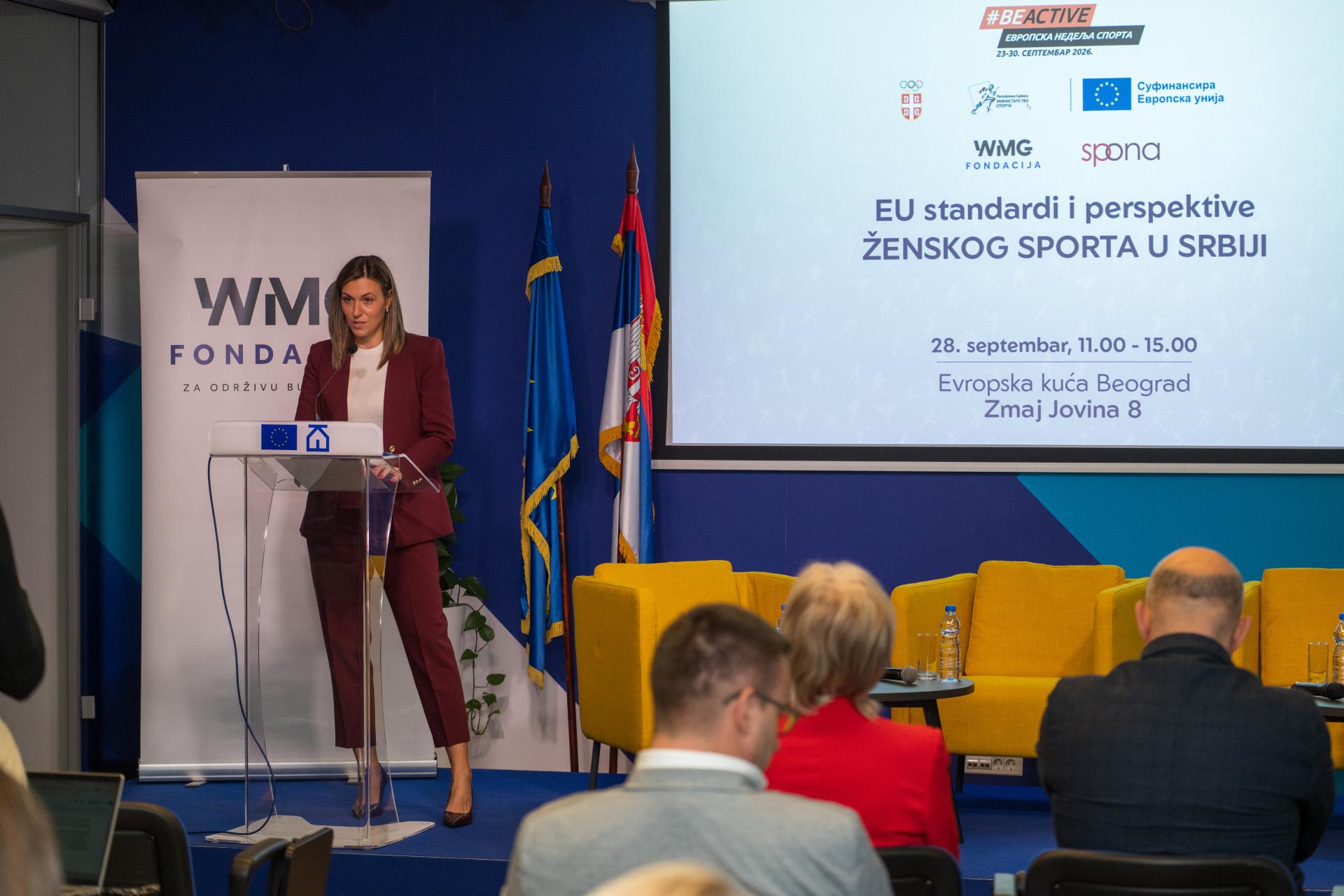
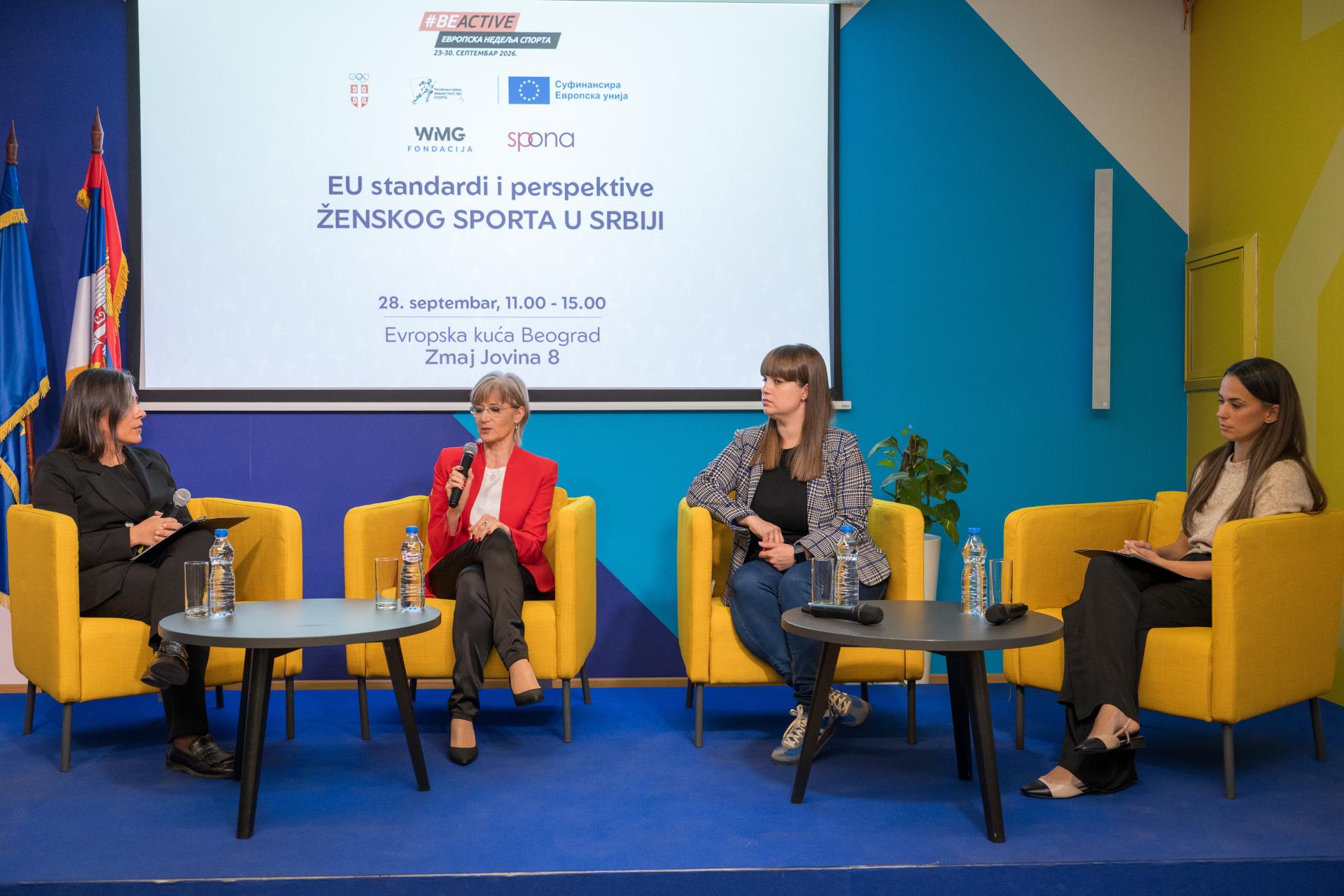
How European experience and standards can contribute to greater participation of girls in sport, stronger health and mental support for female athletes, and greater visibility of women’s sport were among the key topics of the conference “European Practices for the Home Field: Standards and Perspectives of Women’s Sport in Serbia”, held at Europe House in Belgrade, with the support of WMG Foundation as a partner.
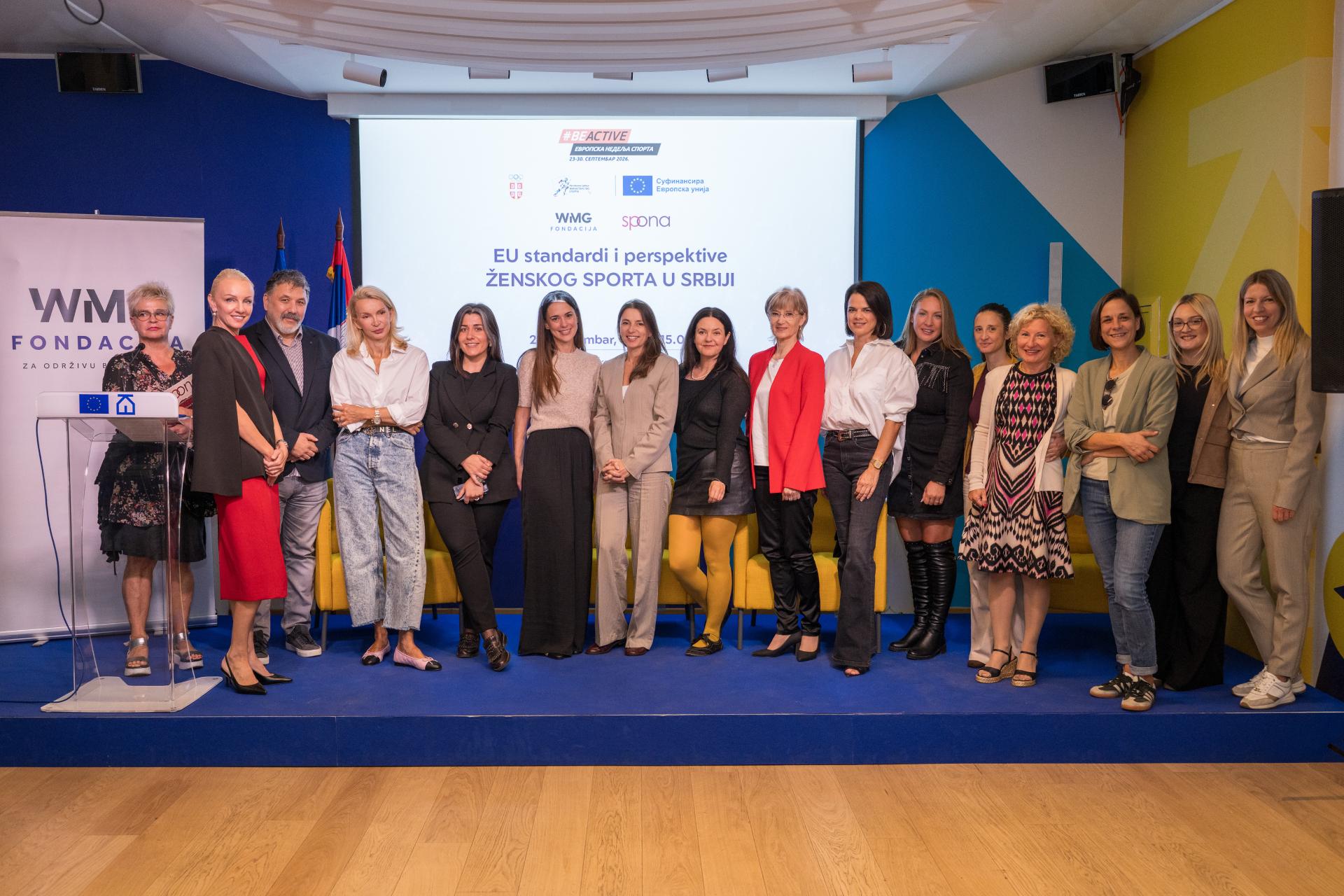
Organised as part of the European Week of Sport in cooperation with the Olympic Committee of Serbia and the Ministry of Sport, the conference brought together representatives of sports institutions and federations, female athletes, experts, media representatives and members of the business community.
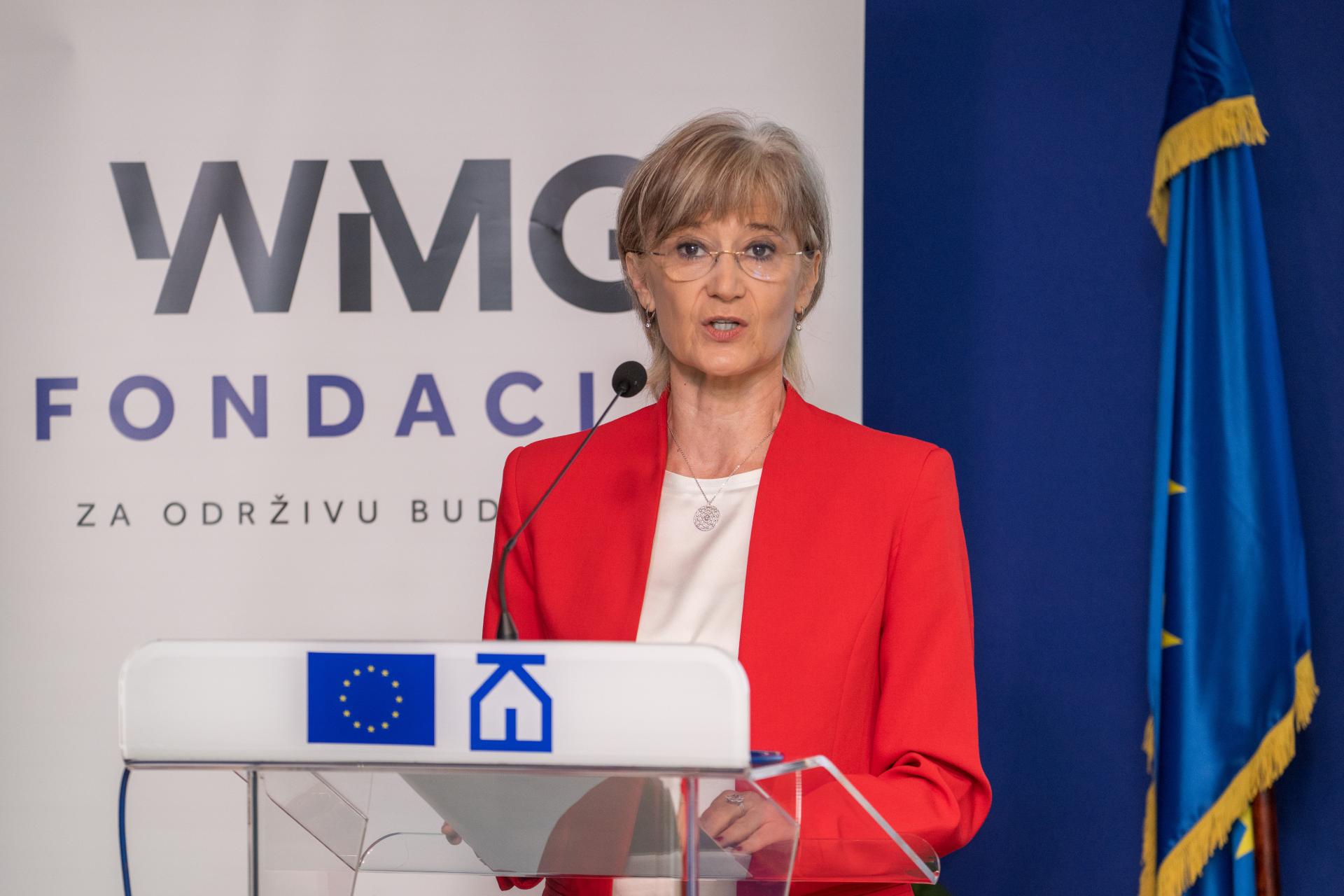
Opening the conference, Irena Petrović, Director of WMG Foundation, emphasised that investing in women’s sport means investing in healthier, more independent and more confident generations of girls and young women.
“Our female athletes have been achieving outstanding results for decades, winning medals and representing our country around the world. Their success shows how much talent we have and how far we can go,” Petrović said.
She highlighted the importance of accessible infrastructure, high-quality training conditions, funding, development of coaching staff, balancing sport with education and other responsibilities, as well as greater visibility of female athletes’ achievements.
Ivana Maletić, Acting Assistant Minister for Sport of the Republic of Serbia, presented the objectives of the Sports Development Strategy of the Republic of Serbia for the period from 2026 to 2035, which recognises women in sport through concrete goals and measures. One of the objectives is for women to account for at least 30 per cent of members of governing bodies of the relevant national sports federations by the end of 2028.
Milena Reljin, Chair of the Women and Sport Commission of the Olympic Committee of Serbia, spoke about the importance of more balanced participation of women across all areas of sport, as athletes, coaches, referees, experts and decision-makers. She also pointed to the need for further research into the representation of women in managerial and coaching positions.
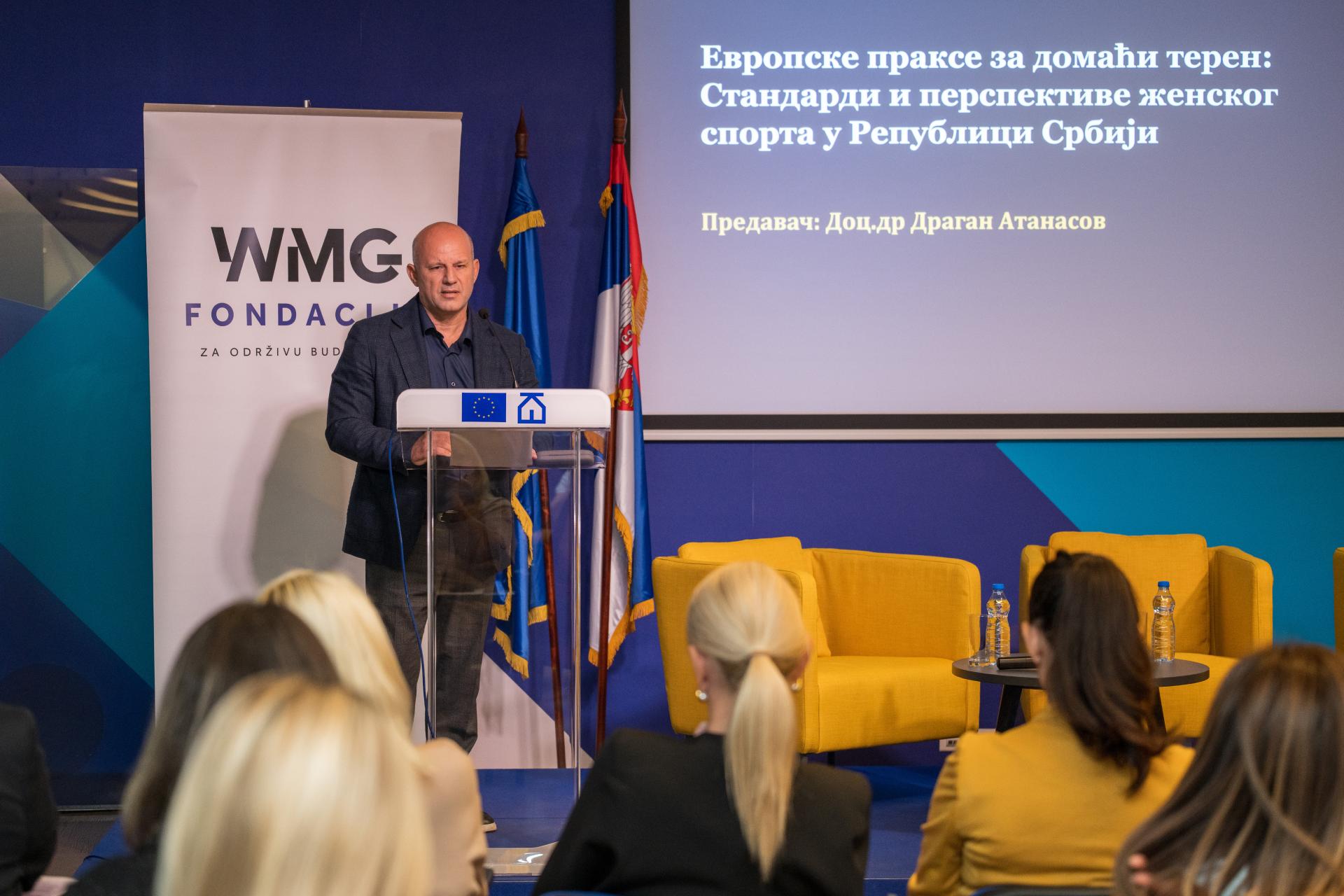
Professor Dragan Atanasov, professor at the Faculty of Sport at Singidunum University and member of the Working Group for the Development of the Sports Development Strategy of the Republic of Serbia, presented European standards and the domestic framework for women’s sport.
According to data presented at the conference, female athletes won 11 Olympic medals between 2012 and 2024, while they secured a total of 399 medals at major international competitions. Particular attention was given to retaining girls in sport, taking into account data showing that 61 per cent of girls stop participating in sport after the age of 15. The approach to results, support from coaches and parents, access to infrastructure and the overall experience of young female athletes during their development were identified as important factors.
From the First Training Session to Leadership Positions
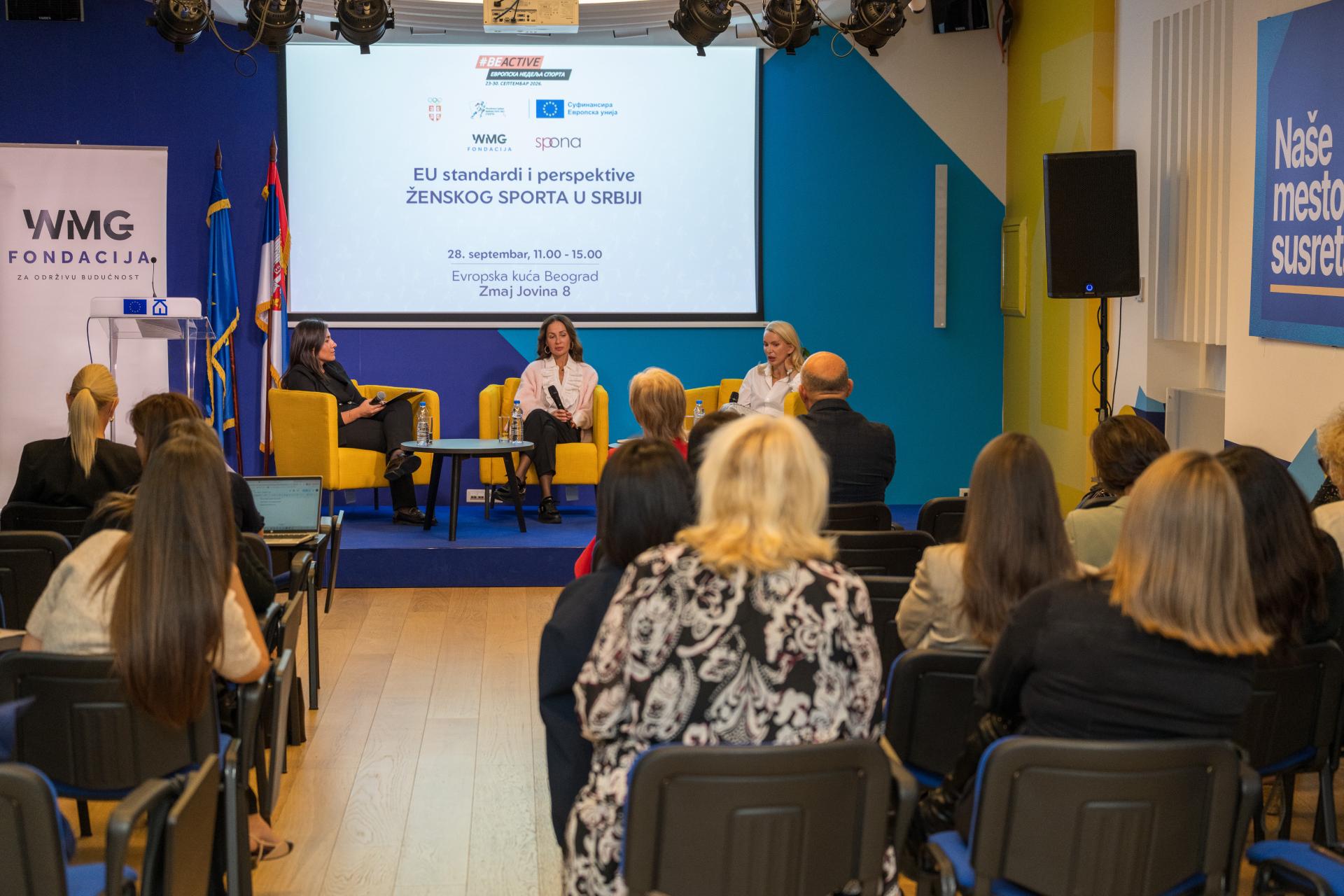
The first panel focused on education and retaining girls in sport. Participants included Milena Reljin, Ruža Ilić Pavkov, Grassroots Football Manager at the Football Association of Serbia, and Milana Petrović, Editor-in-Chief of the EUpravo zato portal.
Ruža Ilić Pavkov presented activities aimed at developing women’s football, strengthening the female coaching base, involving former national team players in education programmes and increasing the participation of women in sports governance. She particularly highlighted the importance of educating all professionals who work with girls and women in sport.
Milena Reljin spoke about the transition of female athletes from competitive careers into professional, business and leadership roles, underlining the importance of additional education, practical knowledge and support for the development of leadership and management skills.
From the perspective of a parent whose children are actively involved in sport, Milana Petrović highlighted the importance of family support, accessible infrastructure and the ability to balance sporting commitments with school and other responsibilities.
Former handball player Svetlana Obućina also joined the discussion, pointing to the importance of systemic support for female athletes, the development of basic motor skills in children and the opportunity for them to explore different sports and find the activity that suits them best.
The panel concluded that improving the position of women in sport requires support throughout the entire sporting journey, from the first training session to professional and leadership positions, alongside investment in education, mentorship and equal development opportunities.
Female Athletes’ Health as Part of the Support System
The second panel focused on health, injury prevention and mental support for female athletes. These topics were addressed by Vanja Kostić from the “Champions of Healthy Habits” project of the Handball Federation of Serbia and sports psychologist Dr Marija Srećkov Pavlović.
The discussion focused on the physical, mental and hormonal health of female athletes, injury prevention and education about healthy habits. Vanja Kostić presented the approach of the “Champions of Healthy Habits” project, aimed at opening up topics relevant to the health of girls and female athletes and improving understanding of their specific needs.
Dr Marija Srećkov Pavlović spoke about the importance of support from coaches, families and expert teams, as well as the education of adults working with children. Particular attention was given to the role of coaches, who are often the first to notice changes in the behaviour of young athletes.
The panel highlighted the importance of a comprehensive approach to female athletes’ health, education of coaches and professional teams, timely psychological support, and a greater volume of research and data on women in sport.
Greater Visibility of Women’s Sport Creates New Opportunities for Investment
The third panel focused on the promotion of women’s sport, media representation and sponsorships. Participants included B92 sports journalist Nina Kolundžija, SportIt Executive Director Tijana Popadić and Andrijana Vasić Nikčević from Visa, while the panel was moderated by Milana Petrović.
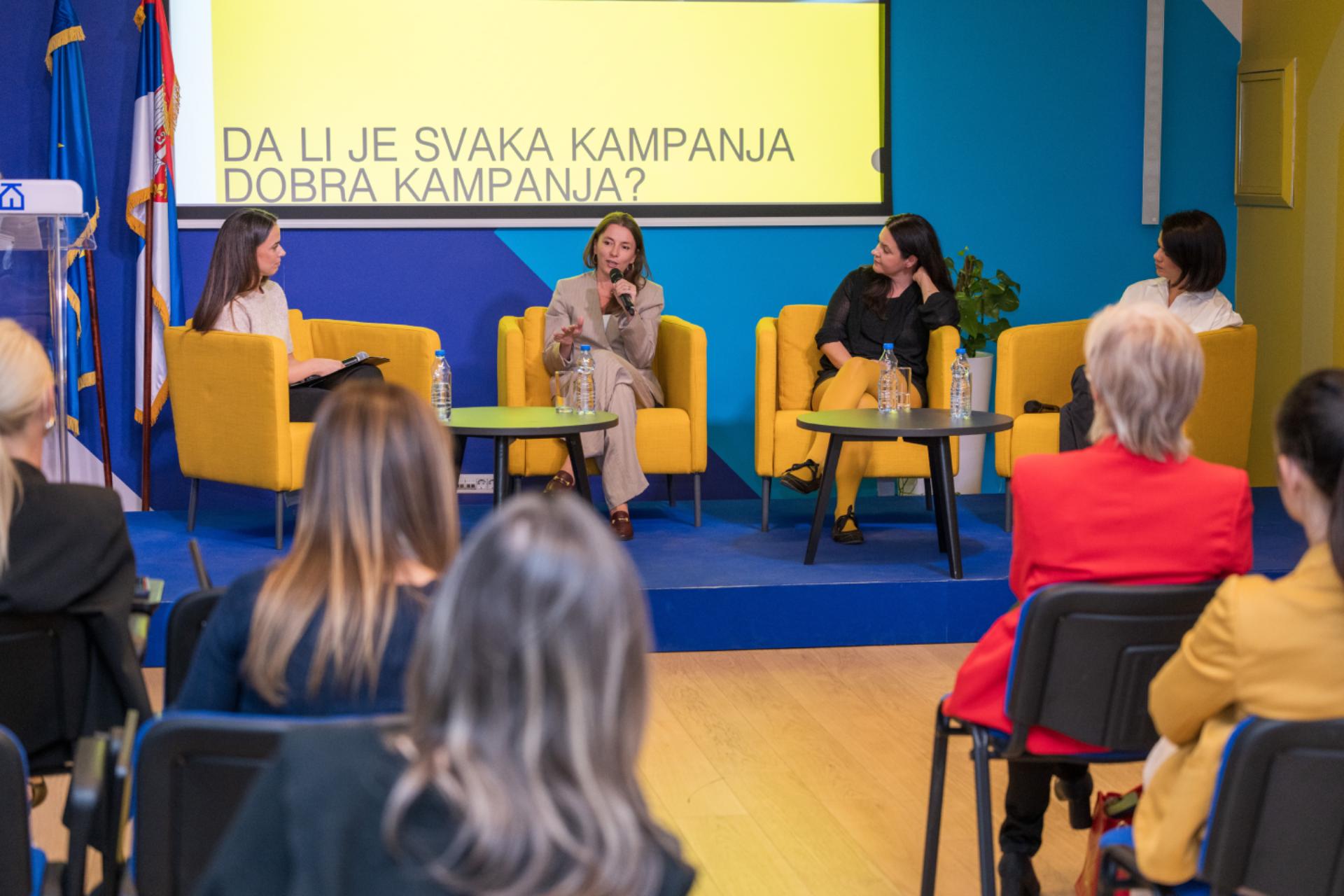
The discussion addressed how female athletes are represented in public, the relationship between sporting performance and marketing potential, and the role of media and companies in increasing the visibility of women’s sport.
Nina Kolundžija highlighted the responsibility of the media in shaping the public image of female athletes and the importance of placing sporting results and professional achievements at the centre of reporting. Tijana Popadić spoke about the role of marketing campaigns in attracting audience attention and in the long-term development of the image of athletes and brands.
The conference showed that the development of women’s sport requires a connection between several areas, from the early inclusion of girls and quality training conditions, through education, health and mental support, to stronger representation of women in professional and governing structures.
European experience provides an important framework for developing solutions tailored to the domestic sports system, while greater visibility of women’s sport creates further opportunities for investment, sponsorship and the professional development of female athletes.